
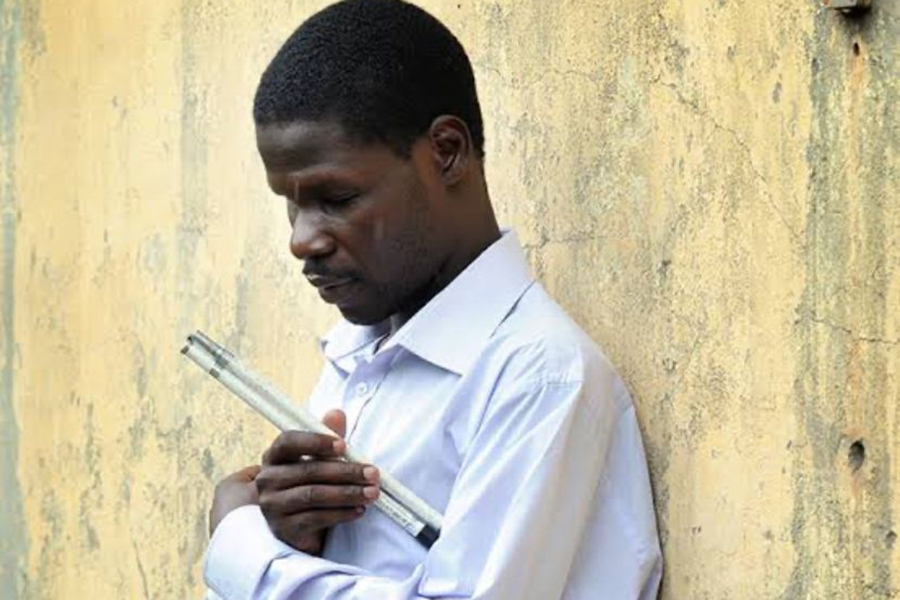
Visually impaired Ugandans could soon find it easier to access books and learning materials after Parliament passed the Copyright and Neighbouring Rights (Amendment) Bill, 2025.
Once assented to by President Museveni, the new law will allow copyrighted content to be converted into accessible formats such as braille and audio, marking a significant shift toward inclusivity in education and information access.
Passed on Tuesday, the amendments are designed to modernise Uganda’s copyright framework to better align with evolving education systems and technological advancements.
For years, people with visual impairments have faced major barriers accessing books and academic materials, particularly those protected under strict copyright rules.
The new law removes these barriers by permitting the conversion of such works into formats suitable for visually impaired users without requiring prior authorisation, provided it is done within the legal framework.
The reforms also extend to digital learning, explicitly supporting the use of accessible materials in online education platforms. This is expected to help schools, universities, and organisations better serve learners with disabilities through digital tools.
Another key provision introduces regulations on orphan works—materials whose copyright owners cannot be identified or located. Previously, such works often remained unused due to legal uncertainty.
Under the new law, individuals or institutions seeking to use orphan works must apply for a licence, creating a structured and lawful pathway for unlocking valuable but previously inaccessible content.
The amendments further introduce limits on copying published materials, capping reproduction at five percent within a specified period unless proper licensing arrangements are in place.
This provision seeks to strike a balance between enabling access for education and research while safeguarding authors from excessive, uncompensated use of their work.
In addition, the law mandates the formal registration of copyright agreements, including licences and transfers, a move aimed at reducing disputes and improving transparency within the creative sector.
Overall, the amendments are seen as a progressive step toward balancing the rights of creators with the public’s need for access to information, while ensuring that Uganda’s copyright regime is more inclusive and responsive to contemporary realities.
